



You Can See Everything has become a certified phenomenon.
Packed theaters, an overwhelmingly positive collection of reviews, and word of mouth that most modern releases would kill for have all come together to contribute to more than 2000 sold out screenings opening weekend, despite being in only 855 theaters. Sitting at $64 million and a 96% from audiences and critics, it looks to continue its success long after its release date, and is poised to easily win the Academy Award for Best Documentary. When great art such as this comes along, it is important to understand where its inspirations may lie and explore the origins of greatness. There is a wide range of content that can give audiences insight into You Can See Everything that is all great (honorable mentions of Gates of Heaven, Nathan For You, The History of Concrete, Close Up), but I highly recommend starting somewhere with these five incredible pieces.
F For Fake (1973)
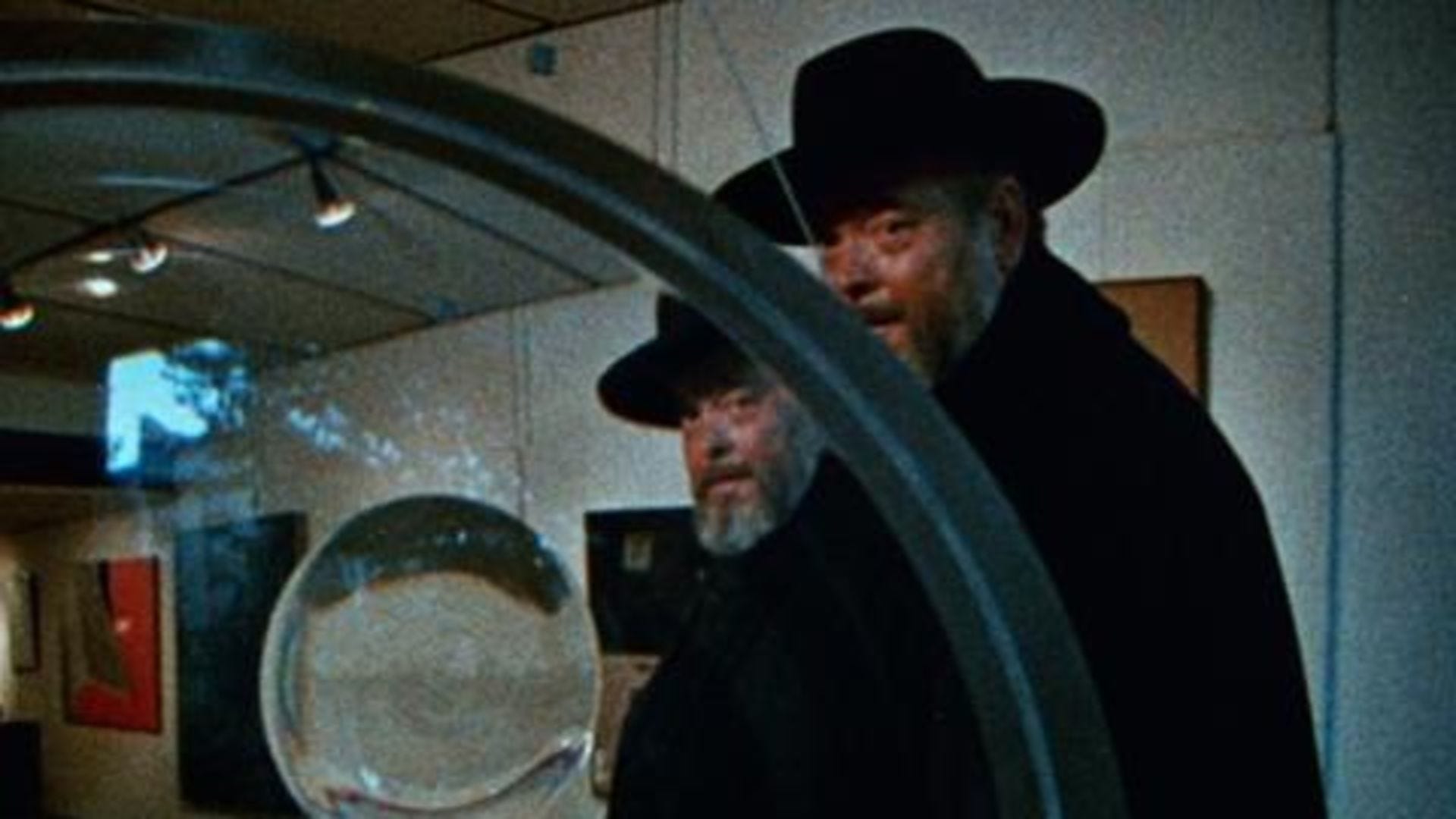
The oldest and perhaps most abstract installment on this list, F For Fake is perhaps the most concrete example of a meta-documentary. Orson Welles was truly a master of the craft and perhaps the most visionary of all filmmakers, who never failed to push the boundaries of cinema at least 30 years ahead of his time in every project of his. Welles delves into the world of art fraud and forgeries, and asks us a plethora of questions along the way. What makes art valuable? What is a film or documentary actually about? Can artists of any capacity be trusted? Is there such a thing as a reliable narrator, or are filmmakers inherently magicians? This small sampling of questions feels thematically symbiotic with You Can See Everything, and I can’t help but feel that F For Fake has perhaps the largest thematic influence on Fielder and Oppenheim’s smash hit.
The Thin Blue Line (1988)
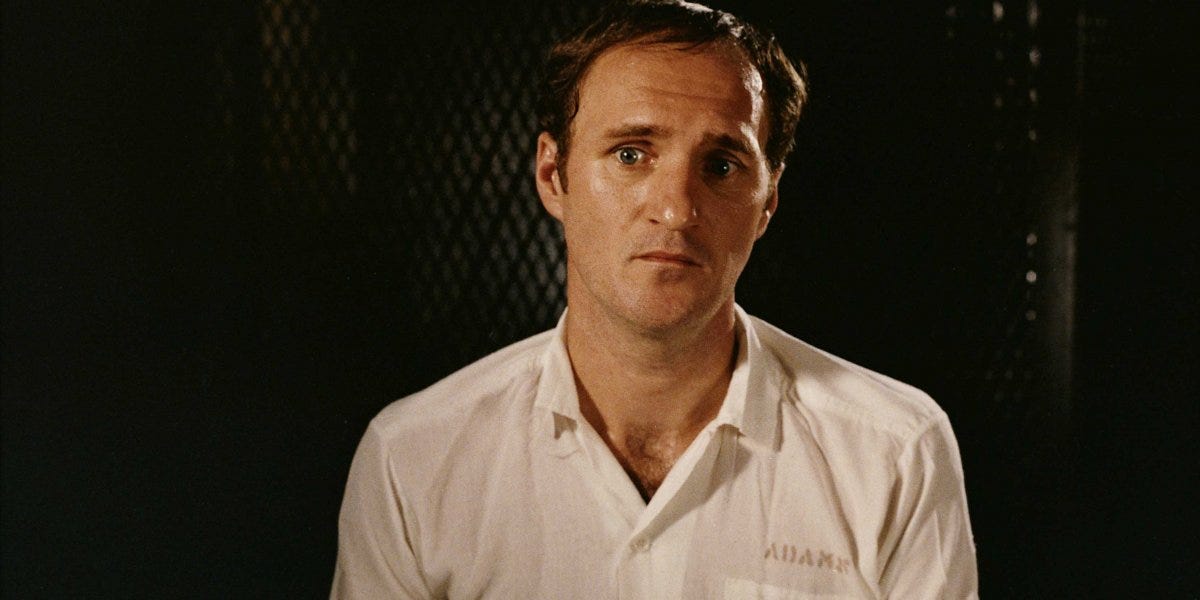
Errol Morris revolutionized documentary filmmaking in 1988 with the wildly influential The Thin Blue Line. Telling the story of a man he (correctly) believed to be innocent of a murder, Morris made the decision to recreate scenes using actors to better demonstrate to audiences how events transpired. He shows alternate takes, engages with the original subjects, and can piece together such a compelling investigation that the original defendant was actually released from prison and the real murderer sentenced. Errol Morris’s reenactment style is prevalent through modern documentary making, and is exceptionally well integrated in You Can See Everything.
Available to stream on the Criterion Channel
The Act of Killing (2012)
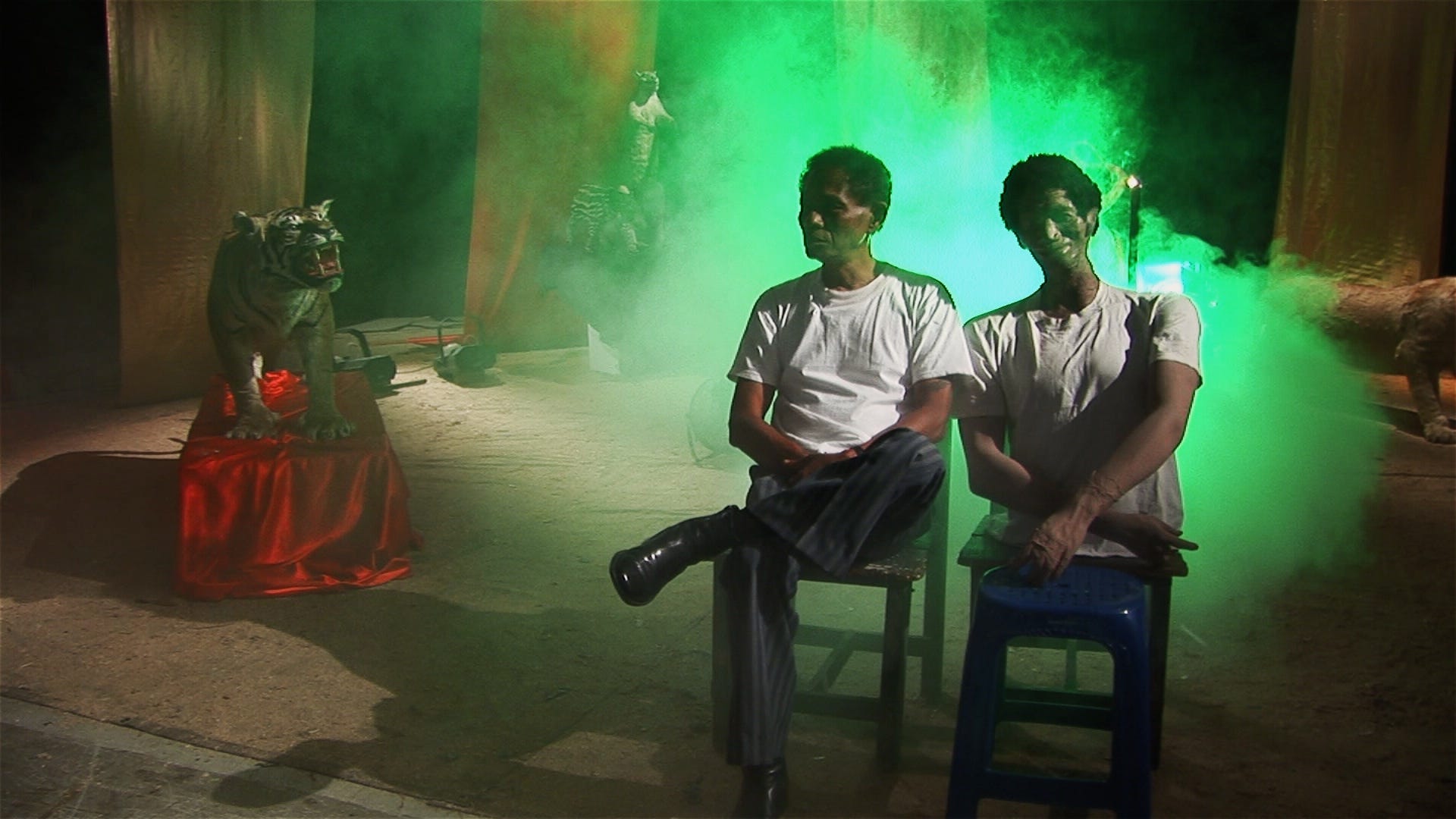
Legendary documentary and narrative filmmaker Werner Herzog described the 2012 masterpiece The Act of Killing as “unprecedented in the history of cinema” and called it “the most powerful, surreal and frightening” film he had seen in decades. I fully agree with this sentiment. The Act of Killing is another fine example of a documentary that pushes the boundaries. It follows Joshua Oppenheimer as he interviews Indonesian death squad captains, who were in charge of a mass genocide of suspected communists from 1965 to 1966. He allows them to explain themselves and even make a film about their own actions. He does not interfere; he does not really interject; he merely allows them to tell their own story the way they see fit, hoping that he can spark some sort of remorse or human feeling out of these murderers. The Act of Killing is a more coherent and fleshed-out vision of what Shoah attempted decades before. It shows what is perhaps the ugliest side of humanity possible in such crisp detail and so closely that it’s easily the most haunting documentary experience of the 21st Century, making it a must-see of the art form. You Can See Everything’s conflict between the desire to give its subjects agency and the actual truth is much more up front than The Act of Killing’s, but it is unmistakably present in both.
Available to stream for free on Kanopy
Ren Faire (2024)
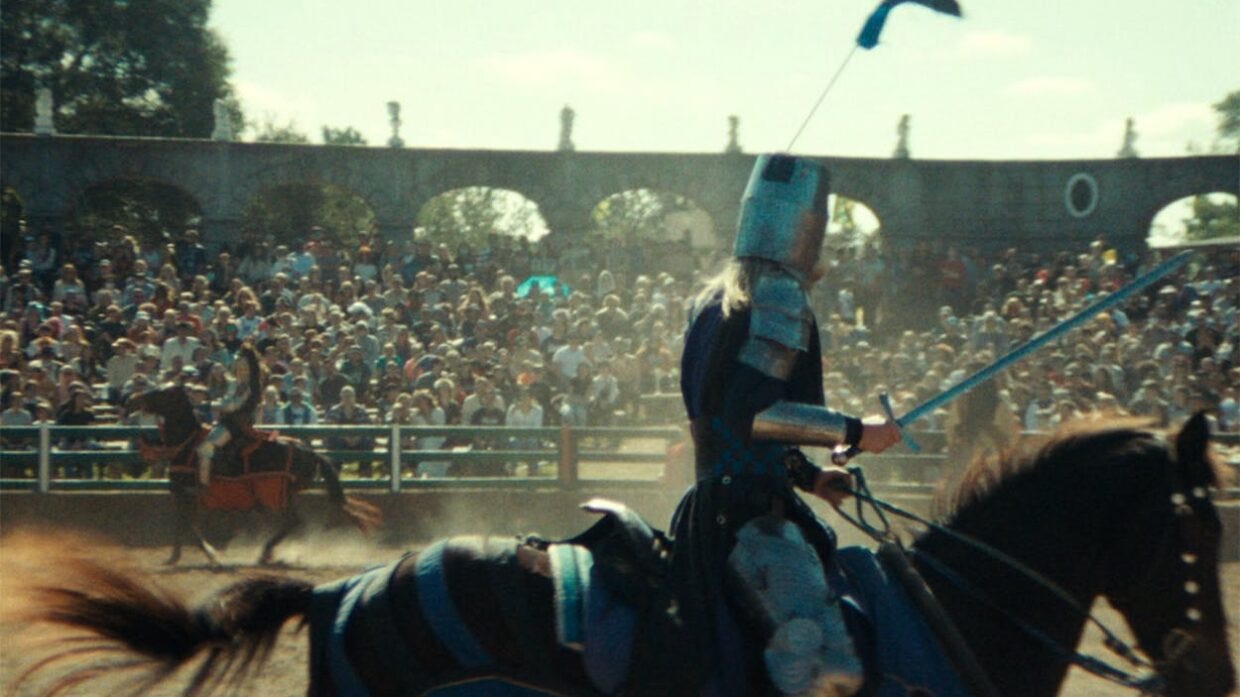
Ren Faire is an excellent starting point for the work of Lance Oppenheim. It chronicles the power struggle that is still somewhat ongoing at the Texas Renaissance Festival, the largest ren fair in the US. In a three-episode HBO miniseries, Oppenheim is able to create something that feels like a bizarre 3 way mixture of documentary, reality TV, and narrative film. The approach is to collect as much footage as possible from several crews who follow multiple subjects at the same time and, in what can only be described as editing magic, stitch it together into a cohesive narrative. These crews are able to frame and block events on the fly with a remarkable photogenic precision that most modern mainstream films could only dream of. Lance effectively uses his craft at a remarkably young age to submerge us in this peculiar world without exploiting his subjects, which is a challenging line to walk even for veterans. While some may argue his style is not “true documentary”, he is regardless able to convey just as much (if not more) information as about 90% of documentaries released today in a far more effective and introspective manner.
Available to stream on HBO Max
The Rehearsal (2022-2025)
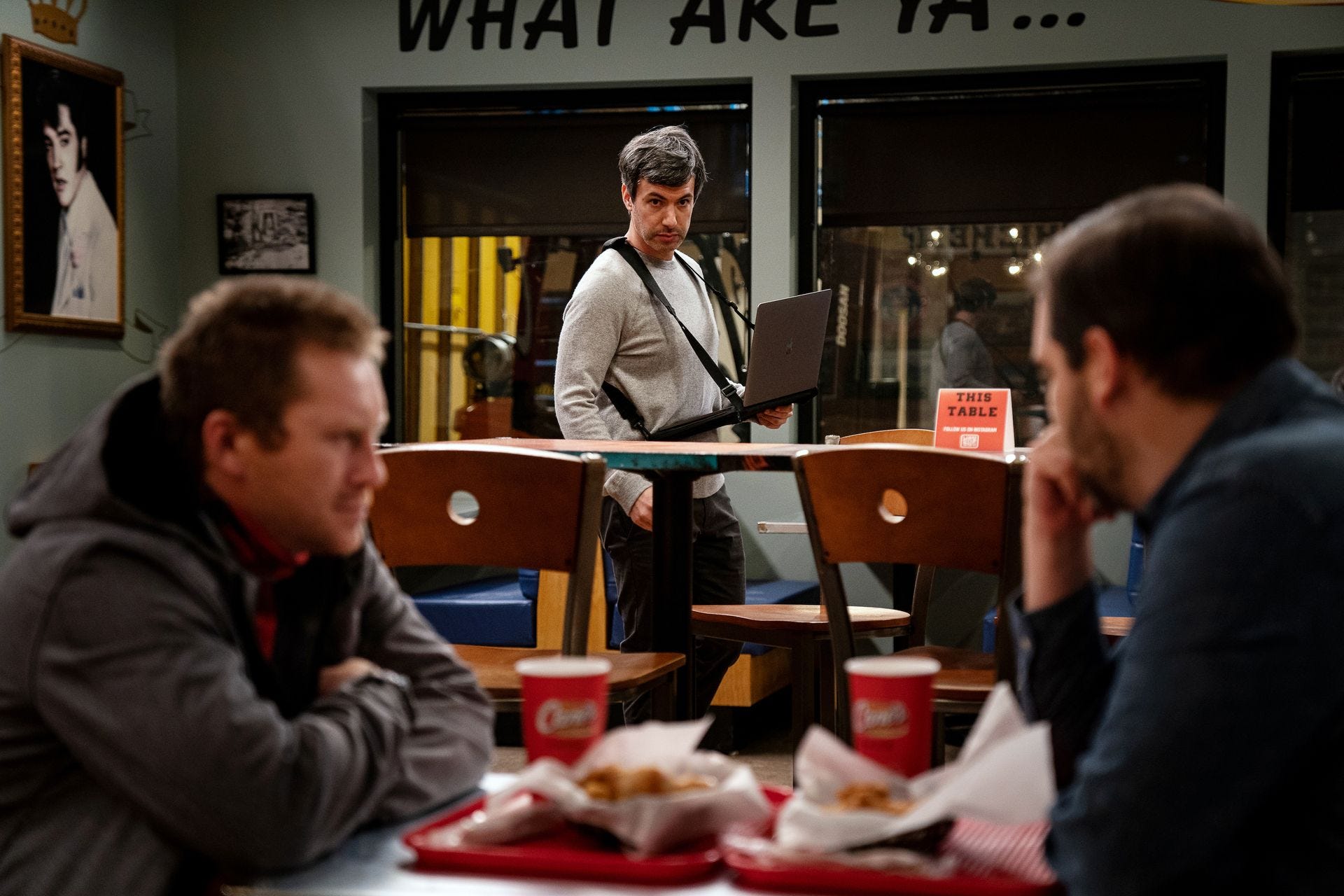
While it is a show, The Rehearsal offers a brilliant insight into the playful, introspective, and clever tactics of Nathan Fielder. As a documentary series committed to helping normal people have difficult conversations, Fielder blurs the line between performance and genuine connection. His obsession with the study of people is on full display and appears to be a rabbit hole with no bottom in sight. Each episode has its own unique challenges and its own piece of the puzzle to contribute to the larger discussion of human nature at hand. Its comedy is about as dry as can be, which ultimately ends up working in its favor. As bizarre and off the wall as the premise may sound, what Fielder does and the philosophical points he explores are unlike any other creative visionary working in the industry today.
The Rehearsal is available to stream on HBO Max
You Can See Everything truly is a perfect combination of some of modern cinema’s most exciting talents. The mixture of classic documentary inspiration and contemporary/cutting edge artistic expression helped create the most intriguing and high-quality piece of cinema of the 2020s that will inspire many copycats, but will never be fully matched. 2026 is really shaping up to be quite the year for movies, and I cannot wait to see what the future holds.
Did the Best Film of the 2020s Just Drop?

At the request of the filmmakers, I will try to make the spoiler section as roped off as possible. I highly recommend you go into this without reading too much about it, as the filmmakers very clearly stated they wish for the audience to partake in the same journey they did. I wholeheartedly recommend you see this film in a theater.