


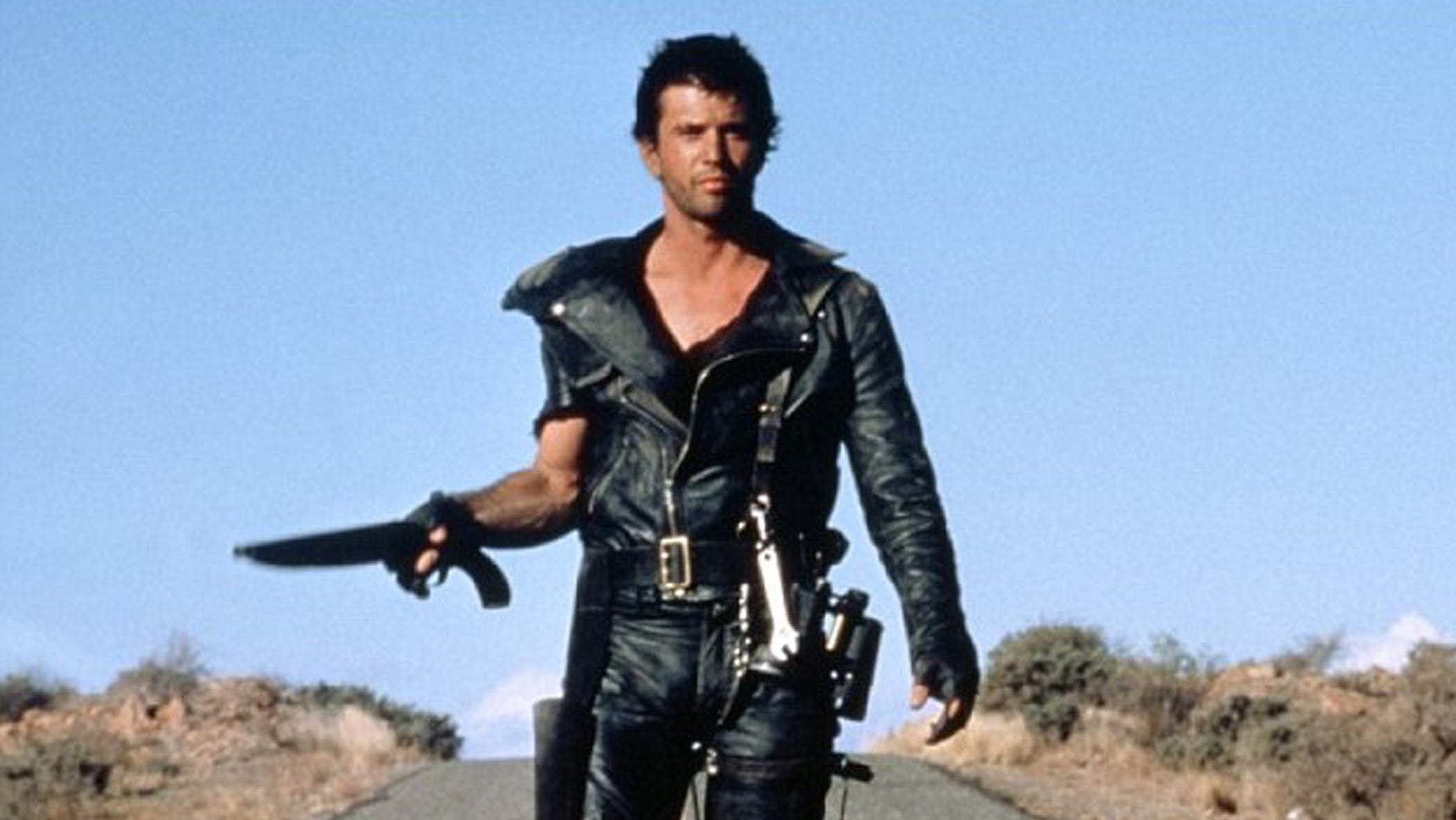
The world of Mad Max is notorious for its brutal and bizarre nature. It has become almost an adjective used to describe something’s style. Whether it be cars, fashion, or the setting, Mad Max has become synonymous with post-apocalyptic media. What started as a niche and low-budget Australian New Wave film became a cultural touchstone, and thanks in part to The Road Warrior, it was able to define the post-apocalyptic genre.
The Road Warrior has a straightforward premise: a group of people surrounded by bad guys and needing a way out, with the only help available coming from our lone protagonist and his odd companion. While the premise may seem simple, George Miller expands it into something far grander. He manages to sow the seeds for a theme that audiences have become all too familiar with in the hero action genre: one needs to overcome selfishness and desolation for the betterment of others. It’s a sort of “coming of age” story for a stoic hero that truly elevates them to the level of hero. Despite being submerged in this bleak world, it still has a clear sense of right and wrong that many modern films shy away from. Duty and honor permeate the vast majority of character motives, and decisions are made in a logical manner.
The Road Warrior very clearly had an impact on the action genre. Its ruthless and clean pacing has been the blueprint for many, including the exceptional Mad Max: Fury Road, which feels like the natural and modern successor to The Road Warrior. There is not a single moment wasted in the whole film, and Miller was able to balance depth with function without sacrificing momentum for even a moment. Another strong impact is the effective characterization that seems to happen flawlessly throughout. The introduction and world-building of side characters in modern cinema seems like a tired and exhausting trope to endure, since now “everyone needs their time to be represented”. George Miller is more concerned with the side characters in their impact on the story and gives us just enough to feel something for a vast majority of them.
The eccentric nature of this world is pretty hard to understate. The villains are about as comical and over the top as can be done within the world of filmmaking. The “madness,” so to speak, is palpable in almost every frame and costume, really selling the rugged Australian Outback setting in a rather unpolished but effective manner. You won’t necessarily find an “all-time great” performance within Mad Max 2; however, everyone understands how to effectively ham it up when it’s needed. Mel Gibson would continue to validate himself as an action star as the typical stoic, but adds a little more nuance than what was in the previous installment.
Mel Gibson’s development as a filmmaker is evident from his early work with George Miller. Gibson has always been a filmmaker for me who “understands the basics”. He has always had a strong grasp of the fundamentals of filmmaking in a way that very much mirrors Miller’s early work, which is perhaps at its best in The Road Warrior. Gibson’s clear sense of focus, pacing, tension, and violence can be seen on full display, despite him only being involved as an actor. Clearly, Mel was absorbing all he could during this period to hone his skills for the future, and it made him all the better.
Mad Max 2: The Road Warrior is a solid, well-made action film that continues to impact modern filmmaking to this day. A clear sense of right and wrong, excellent execution, and creative experimentation all come together to help build a full-throttle, non-stop, post-apocalyptic joy ride that sets up Mel Gibson for long-term success both in front and behind the camera.
Thanks for this! Makes me want to watch Road Warrior again. I was in high school when it came out and it set the tone for us Generation Jones folk. At least my circle.