


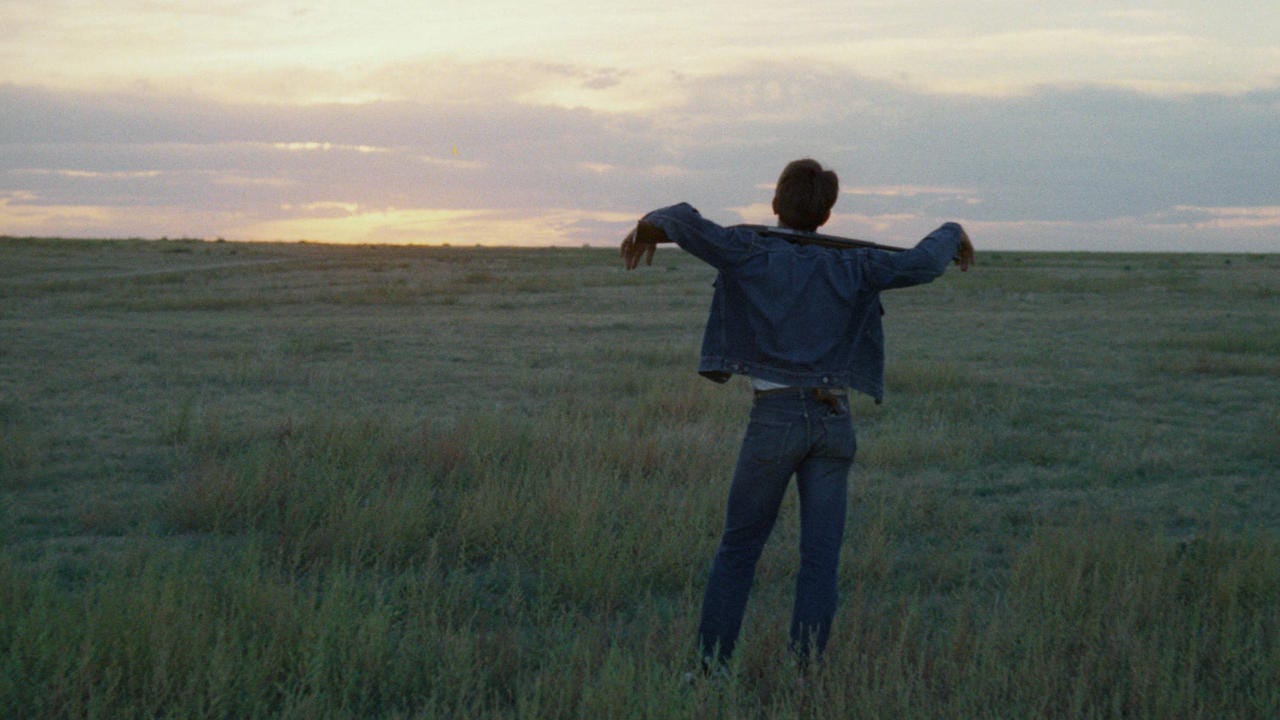
Never has there been someone so mysterious in the world of cinema as Terrance Malick. A man shrouded in mystery who practically never does interviews, does not allow cameras on his sets, or lets people into his creative process, Terrence Malick is the most private man working in the film industry today. Despite all the secrecy, Malick is perhaps the greatest Christian filmmaker working today and should be the gold standard by which others are measured.
While Malick’s Christian faith is undeniable, what denomination he subscribes to is quite elusive. He was born into a split-faith household and seemed to be much closer to his Catholic mother than his Episcopal father ( at least as seen through his films). Malick’s academic career is almost as impressive as his filmography. He would go on to attend an Episcopal School and then Harvard, where he would graduate with a degree in philosophy and receive the Rhodes Scholarship. At Oxford, he was responsible for translating Heidegger’s The Essence of Reason into English. He would come just short of getting his doctorate from Oxford due to a major dispute he had with his advisor over Kierkegaard, Heidegger, and Wittgenstein (all highly dense philosophical reading). Returning to the US, he taught philosophy at MIT and freelance wrote until he decided to become a filmmaker.
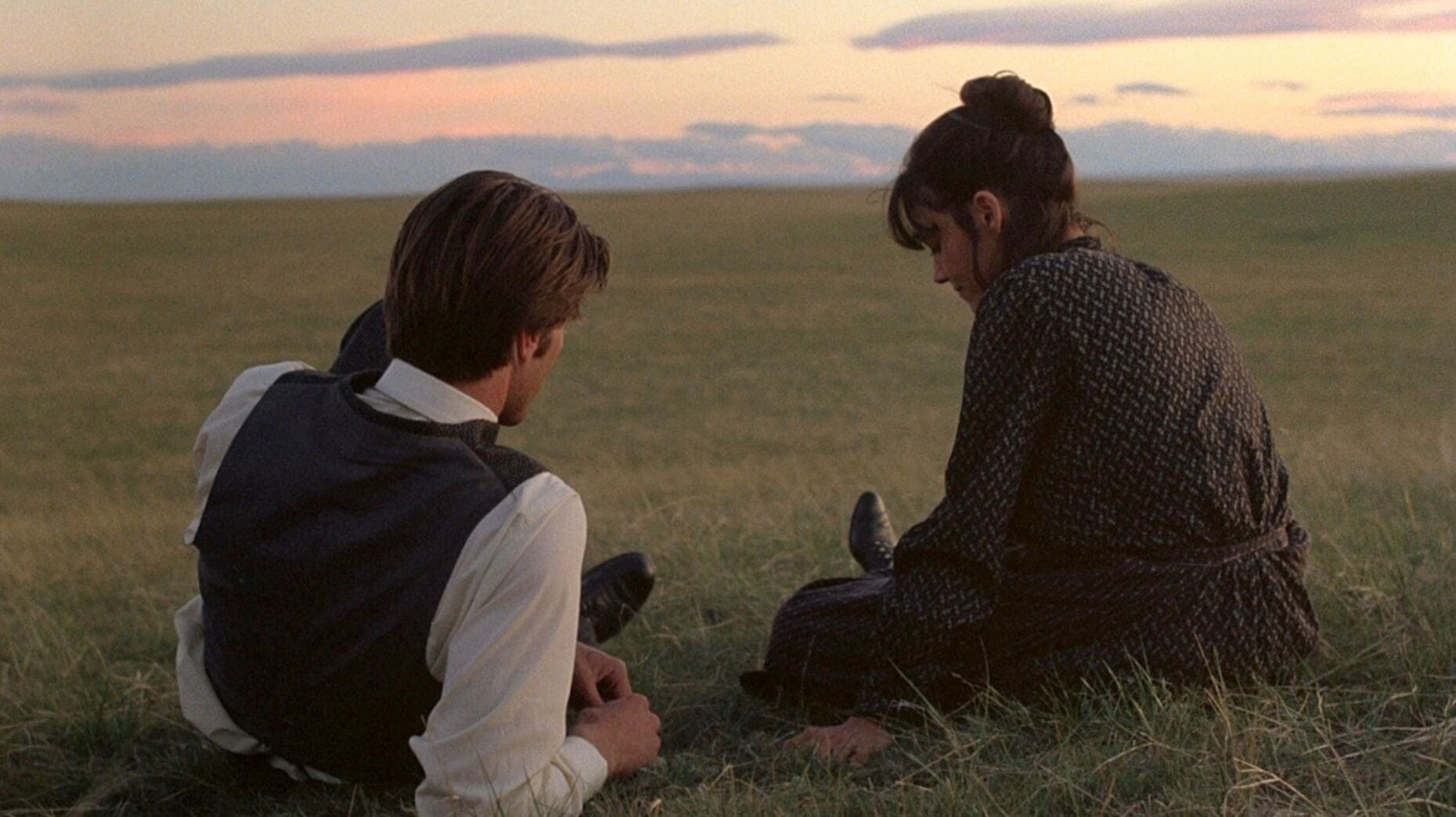
Terrence Malick would start strong using his newfound connections at the AFI Conservatory with Badlands and Days of Heaven. From the very beginning, he demonstrated a unique and dreamlike style that would only become more pronounced as his career continued. His stunning sense of imagery was quite pronounced, especially with Days of Heaven, as well as his rather unorthodox style of filmmaking. He would end up suddenly taking a 20-year hiatus from filmmaking before his triumphant return in The Thin Red Line. From then on, Malick would continue to make profound films until the present, with his upcoming Jesus film, The Way of the Wind, still in editing 6 years after filming wrapped with no end in sight.
Profound and contemplative are the best ways to describe the art of Terrence Malick. Every question under the sun is asked over the course of every film he has made, and not always provide answers. At the core of all of it is Christianity. Christianity is the cornerstone of all his films, even if it is sometimes discreet. His films feel more Catholic than Evangelical because they offer a holistic view of the universe through faith and science, rather than being more issue-based. Not to mention his most recent film (A Hidden Life) being the story of a not particularly well-known blessed in the Catholic Church (Franz Jägerstätter). His approach to Christian filmmaking is far more impactful than stereotypical Christian films like God’s Not Dead (I apologize to fans of the film). Belief in Christ isn’t just placed on the surface and preached to the audience like a loud sermon, but baked into the very material of his films.
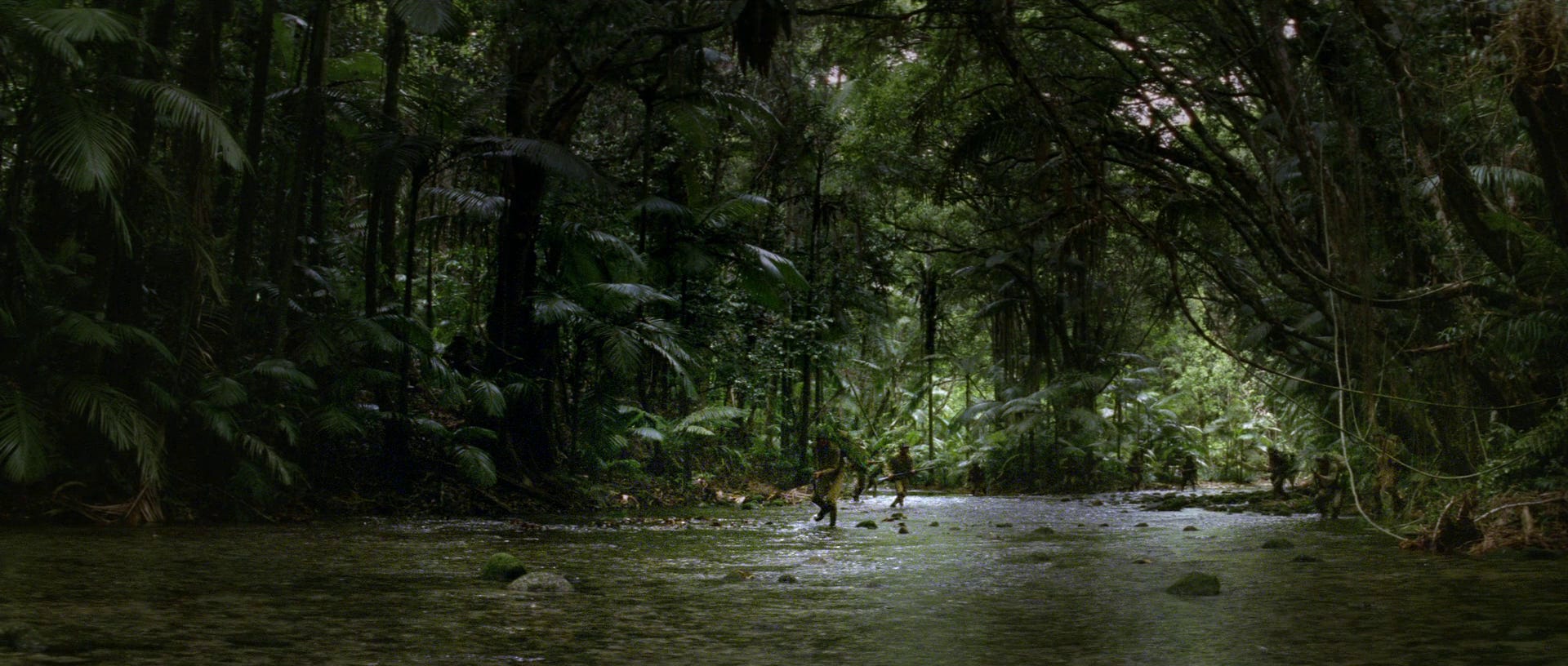
Malick is obsessed with people, places, and the interior monologue. All of his films are heavily voiced over and feature extensive photography of humans and settings. Rather than telling a straightforward story, he elects to convey complex thoughts, reflections, and ideas in a dreamlike style that is unmistakable. Nature is a constant and is captured in all of its stunning glory, with Days of Heaven in particular being maybe the most beautiful film ever shot. The beauty of God’s creation is on full display in every film and meditated on extensively. Mankind is something that is held sacred and revered in almost all of his films, and no life is ever lost without great contemplation. Life is something natural and sacred, the way things ought to be. Death is unnatural and a sign of our fallen nature and the broken world we live in. This fundamental understanding of how things were meant to be is one of the many things that separate a Malick film from others. In The Thin Red Line, when Jim Caviezel’s character is meditating on the destruction that mankind causes to the world, it avoids the toxic environmentalism of the modern era (that people are a poison that should be reduced), but instead offers a more grounded and Christian insight into how we were called to be tillers of the Earth yet subject to it, trying to establish a healthy balance.
Terrence Malick’s shooting style is considered highly unconventional, to the point where he is the only one who does it in this fashion. Rather than having a strict schedule of what to shoot and when based on a screenplay, he will just go out with the cast and crew and begin shooting all sorts of scenes that come to him. He may start with a highly detailed screenplay, but then start to heavily improvise shots and neglect the script. This typically leads to strain on the crew, as well as what may seem like excessive amounts of footage (The New World had over 1 million feet of 35mm film shot by the end). This style also accounts for the extended periods he spends editing his films, which usually take years.
There is something to be gained from seeing all of Terrence Malick’s films. Every single one of his films offers a profound and moving experience where something of value can be discerned or learned. All of his films are shot with a beauty and elegance that is often imitated but never quite perfected (Train Dreams is the closest and could be considered a spiritual addition to his filmography). The cinematography in a Malick film is something that you will remember and may even put as your wallpaper at some point. These gorgeous shots are always paired with some of the finest soundtracks and scores ever compiled. His most underrated trait as a filmmaker has always been his taste and choice of music. From James Newton Howard’s deeply moving score for A Hidden Life to the soundtrack of The Tree of Life that fits so well it could be a score, Malick’s taste in music, in my book, is impeccable. Casting is never an area of need as well, which is not surprising since most actors and actresses practically line up to be in his films whenever they enter production (see the casting section for The Thin Red Line).
Regardless if Terrence Malick ever ends up finishing The Way of the Wind, he has already made his impact on the world of cinema. No other filmmaker quite captures the interior monologue and reaches such profound levels as Malick. Every icon he creates using the art form stands as a challenging yet deeply rewarding jewel in the crown of Christian cinema.
Perhaps best described as the “American Tarkovsky”, the cinema of Terrence Malick is perhaps some of the most edifying visual media that a Catholic can take in, and something worth letting become a part of your soul.
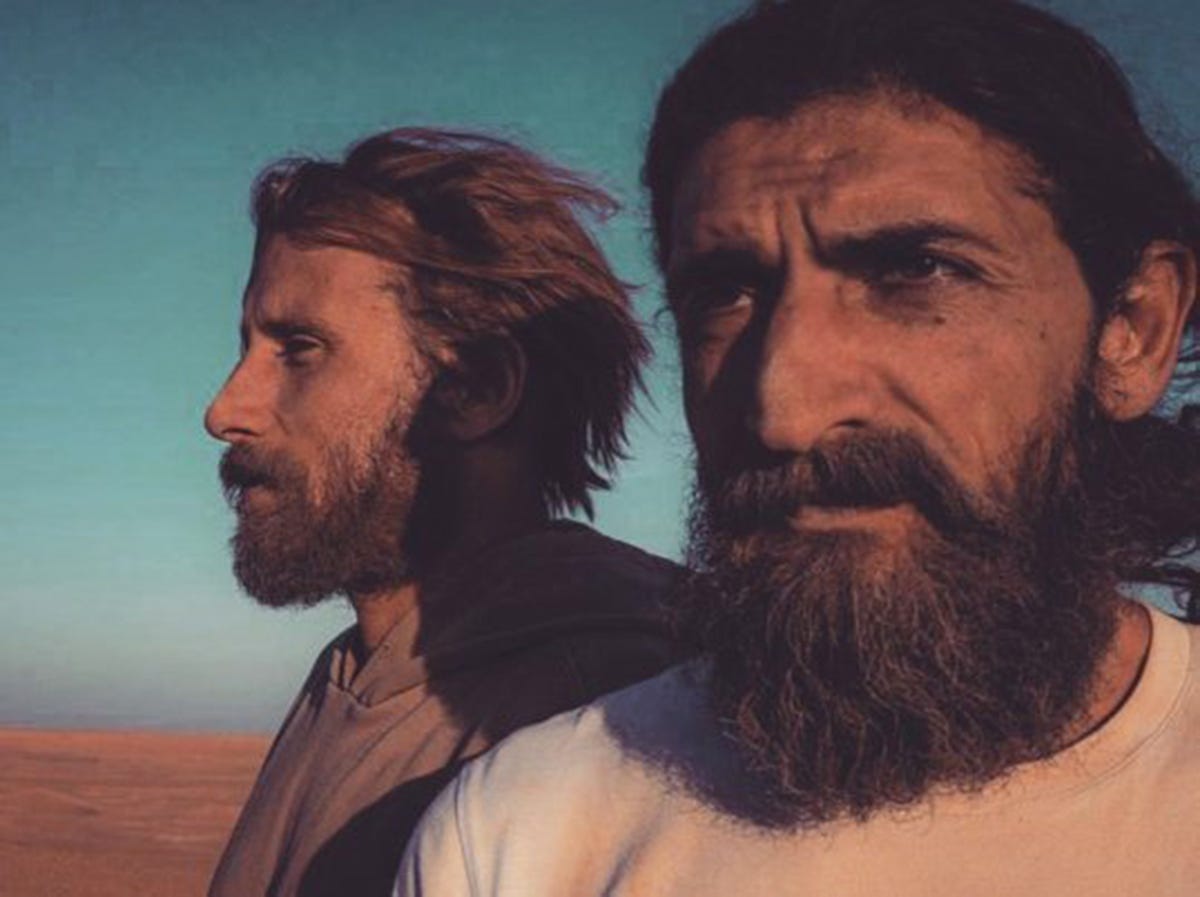
This is such a cool idea!!! Hoping Song to Song gets at least some shoutout, it's an unconventional film of his but it's really beautifully made and really captures the "it's WHO you know, not WHAT you know" side of the music industry. One of my favorite Gosling performances too.
Thanks, adding Malick's films to my extensive watch-list!